# MK100B-40 / MK100B-51 / MK100B-53

## <mark style="color:blue;">Technical Resources</mark> <a href="#opening-the-mk100-case" id="opening-the-mk100-case"></a>

### Internal Access <a href="#opening-the-mk100-case" id="opening-the-mk100-case"></a>

The MK100 case is very simple to open. Remove the two screws from the sides and slide the lid off towards the rear.

<figure><img src="https://3062424488-files.gitbook.io/~/files/v0/b/gitbook-x-prod.appspot.com/o/spaces%2FlLHqs7kbNoKOFTwGOfH6%2Fuploads%2FeUwEr5pddsByfONWiYA6%2Fimage.png?alt=media&#x26;token=62d661cb-a4a1-447e-93e1-c0cf9b5d9ef4" alt=""><figcaption></figcaption></figure>

***

## <mark style="color:blue;">MK100B-40</mark>

### Motherboard

#### Manual, Drivers, Datasheet

Technical information related to the system's motherboard can be found from the support link below

{% embed url="<https://media.onlogic.com/248f8472-1b41-4a43-9f88-4aee598a9ac5/1bfe6959-c9b9-450c-90c2-e199b0b8171f/AlQpjBR4uQZcGGSID4HIT3XOX/IGk7VXMvz2sQuK6TSfNBGSRRX.pdf?targetFileName=OnLogic-MK100B-40-SpecSheet-v1.pdf>" %}

{% embed url="<https://www.asrockrack.com/general/productdetail.asp?Model=X570D4I-2T#Download>" %}

### Auto Power On

The auto power on feature will turn the server on automatically when AC power is connected or when power is restored after an outage.

1. Power on the server and press F2 a few times to access the BIOS
2. Navigate to the Advanced tab

<figure><img src="https://3062424488-files.gitbook.io/~/files/v0/b/gitbook-x-prod.appspot.com/o/spaces%2FlLHqs7kbNoKOFTwGOfH6%2Fuploads%2FZXsYeDY1ehxUkAB7hLlR%2Fimage.png?alt=media&#x26;token=8acb5656-ee2a-4ee1-85f7-859bdbe6aece" alt=""><figcaption></figcaption></figure>

3. Open the Chipset Configuration menu
4. Locate the Restore AC Power Loss Option
5. Change it to 'Power On'

   <figure><img src="https://3062424488-files.gitbook.io/~/files/v0/b/gitbook-x-prod.appspot.com/o/spaces%2FlLHqs7kbNoKOFTwGOfH6%2Fuploads%2F0kcanqY4Hw5BTmvML903%2Fimage.png?alt=media&#x26;token=8e4de74d-cbba-45d0-88e2-c8ae6be3877f" alt=""><figcaption></figcaption></figure>
6. Press F10 to save & exit, and enter to confirm
7. Auto power on is now enabled

***

## <mark style="color:blue;">MK100B-51</mark>

### Motherboard

#### Manual, Drivers, Datasheet

Technical information related to the system's motherboard can be found from the support link below

{% embed url="<https://media.onlogic.com/248f8472-1b41-4a43-9f88-4aee598a9ac5/c4c893d1-0fae-4a77-8412-f71a72a8c9c9/WQImvpxAFlrmQYSbV83x1sNfy/Z9JkXL3znoyepXth365iNldbI.pdf?targetFileName=OnLogic-MK100B-51-SpecSheet-v1.pdf>" %}

{% embed url="<https://www.asrockind.com/en-gb/IMB-195>" %}

### Startup Settings <a href="#how-to-enable-auto-power-on-2" id="how-to-enable-auto-power-on-2"></a>

#### Auto Power On <a href="#how-to-enable-auto-power-on-2" id="how-to-enable-auto-power-on-2"></a>

1. Unplug the system from all power and peripherals and perform the [Opening steps above](#opening-the-mk100-case).
2. Locate the AT/ATX jumper
3. Move it over by 1 pin

<figure><img src="https://3062424488-files.gitbook.io/~/files/v0/b/gitbook-x-prod.appspot.com/o/spaces%2FlLHqs7kbNoKOFTwGOfH6%2Fuploads%2FJqjvjBolG5Tb2hgcDCve%2Fimage.png?alt=media&#x26;token=3b4dbe46-e260-4d05-8c32-aec811e00b23" alt=""><figcaption></figcaption></figure>

3. Auto power on is now enabled

#### Clear CMOS

1. Unplug the system from all power and peripherals and perform the [Opening steps above](#opening-the-mk100-case).
2. Locate the CLRMOS1 jumper

<figure><img src="https://3062424488-files.gitbook.io/~/files/v0/b/gitbook-x-prod.appspot.com/o/spaces%2FlLHqs7kbNoKOFTwGOfH6%2Fuploads%2Fkx0d9eh8OxI7iwVTfNFq%2Fimage.png?alt=media&#x26;token=149426e2-0a94-4fea-890a-8eea9324e7ca" alt=""><figcaption></figcaption></figure>

3. Move the jumper over by 1 pin
4. Wait 30 seconds
5. Restore the jumper to its original position

***

## <mark style="color:blue;">MK100B-53</mark>

### Motherboard

#### Manual, Drivers, Datasheet

Technical information related to the system's motherboard can be found from the support link below

{% embed url="<https://media.onlogic.com/248f8472-1b41-4a43-9f88-4aee598a9ac5/0fe4e532-ae7f-4147-aa9a-992f8c3def16/UuBZt50CdBHP2GNZMcN9bKZjP/BPF3P08ZShuM3RBEVPVddaj0K.pdf?targetFileName=OnLogic-MK100B-53-SpecSheet-v1.pdf>" %}

{% embed url="<https://www.asrockind.com/en-gb/IMB-1210-D>" %}

### Startup Settings

#### Auto Power On

1. Unplug the system from all power and peripherals and perform the [Opening steps above](#opening-the-mk100-case).
2. Take the jumper circled in blue and move it to the pins circled in orange

<figure><img src="https://3062424488-files.gitbook.io/~/files/v0/b/gitbook-x-prod.appspot.com/o/spaces%2FlLHqs7kbNoKOFTwGOfH6%2Fuploads%2F016mtJKjkjlOHvANedJE%2Fimage.png?alt=media&#x26;token=fad10cc2-ea82-42fe-8217-73469bc0bd49" alt=""><figcaption></figcaption></figure>

3. The unit is now configured for auto power on

#### Clear CMOS

1. Unplug the system from all power and peripherals and perform the [Opening steps above](#mk100).
2. Locate the clear CMOS jumper

<figure><img src="https://3062424488-files.gitbook.io/~/files/v0/b/gitbook-x-prod.appspot.com/o/spaces%2FlLHqs7kbNoKOFTwGOfH6%2Fuploads%2FFSAoOVcbuEAW0DQqt1Gj%2Fimage.png?alt=media&#x26;token=b4c1d8b7-2a85-4790-9ee0-d29f1159c5f4" alt=""><figcaption></figcaption></figure>

3. Move the jumper over by 1 pin
4. Wait 30 seconds
5. Restore the jumper to its original position
6. The CMOS is now clear

## <mark style="color:blue;">Mounting Options</mark>

The MK100/MK150 series can be installed with various mounting options, including:

* Wall mounting brackets: [WM-MK1XX](https://www.onlogic.com/store/wm-mk1xx/)
* Direct installation into a server rack
* Sliding rail kit: [MTR100-23](https://www.onlogic.com/store/mtr100-23/)

<figure><img src="https://3062424488-files.gitbook.io/~/files/v0/b/gitbook-x-prod.appspot.com/o/spaces%2FlLHqs7kbNoKOFTwGOfH6%2Fuploads%2Fu1Ta5tE1YfhF8jFJErEg%2Fimage.png?alt=media&#x26;token=2b7dba69-3b47-4058-98f9-8959542d12f6" alt=""><figcaption></figcaption></figure>

## <mark style="color:blue;">MK100 PSU Upgrade</mark>

This guide go overs the basics of swapping the Flex ATX style PSU used in all variants of the MK100 series.

<figure><img src="https://3062424488-files.gitbook.io/~/files/v0/b/gitbook-x-prod.appspot.com/o/spaces%2FlLHqs7kbNoKOFTwGOfH6%2Fuploads%2Fgit-blob-3b092af8b4e5eb20bcf19ef6695c1cf72d9d488b%2Fd296763b3ccab20c0e1dedcd65fa51e2d3be471bea4c6cffef8fcbe99e466705.png?alt=media" alt="" height="406" width="800"><figcaption></figcaption></figure>

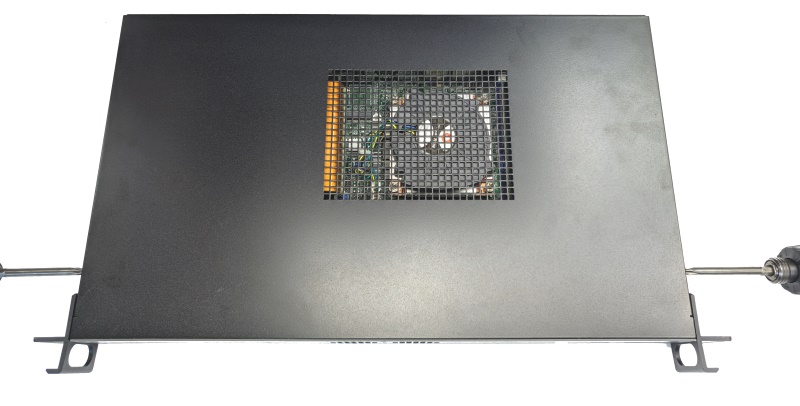
* Begin by removing the two lid screws – one on each short side of the case.

<figure><img src="https://3062424488-files.gitbook.io/~/files/v0/b/gitbook-x-prod.appspot.com/o/spaces%2FlLHqs7kbNoKOFTwGOfH6%2Fuploads%2Fgit-blob-eae81d09f9428e4b73ec745c587039e6fa6a1e5c%2Ff74b1c017754993a7c4020a3599c6eef274e52fae42b3ee8275cca227ff57a6c.png?alt=media" alt="" height="424" width="933"><figcaption></figcaption></figure>

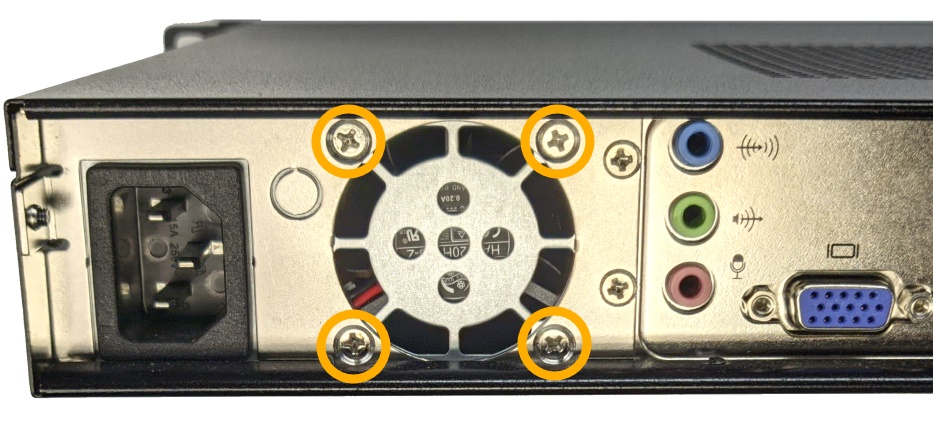
* Remove 4x screws from the power supply. Discard the larger 2 screws from the left holes.

<figure><img src="https://3062424488-files.gitbook.io/~/files/v0/b/gitbook-x-prod.appspot.com/o/spaces%2FlLHqs7kbNoKOFTwGOfH6%2Fuploads%2Fgit-blob-a1807a8febc5052e7a5e5b12ed731800385302cd%2F19c276d03f17553c7d551df67ffe4b51494cc3b66e94ea7e844a262a762f7089.png?alt=media" alt=""><figcaption></figcaption></figure>

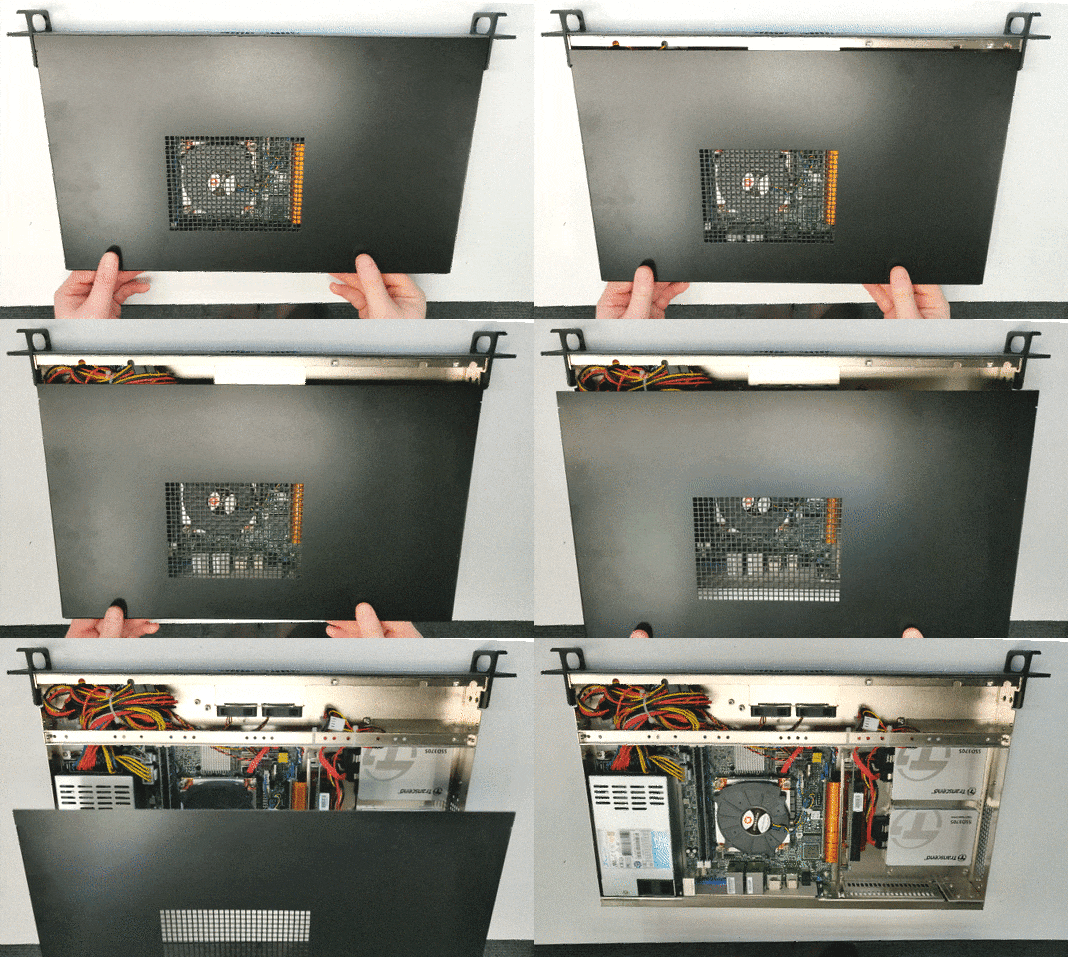
* Pull the lid back 2″ and lift it up

<figure><img src="https://3062424488-files.gitbook.io/~/files/v0/b/gitbook-x-prod.appspot.com/o/spaces%2FlLHqs7kbNoKOFTwGOfH6%2Fuploads%2Fgit-blob-7f68f71006e16575ad05124001f264f220fb4fb5%2Fb5ac450dbc86e89755674b6b9d6469432f2b79a2b15cd60a9de0458e48df8c58.png?alt=media" alt="" height="381" width="800"><figcaption></figcaption></figure>

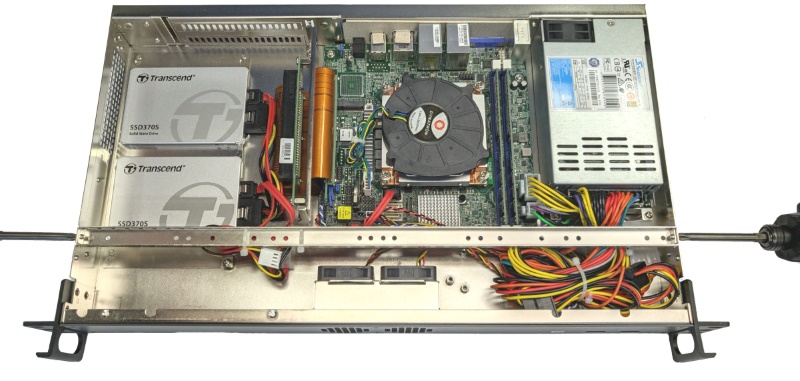
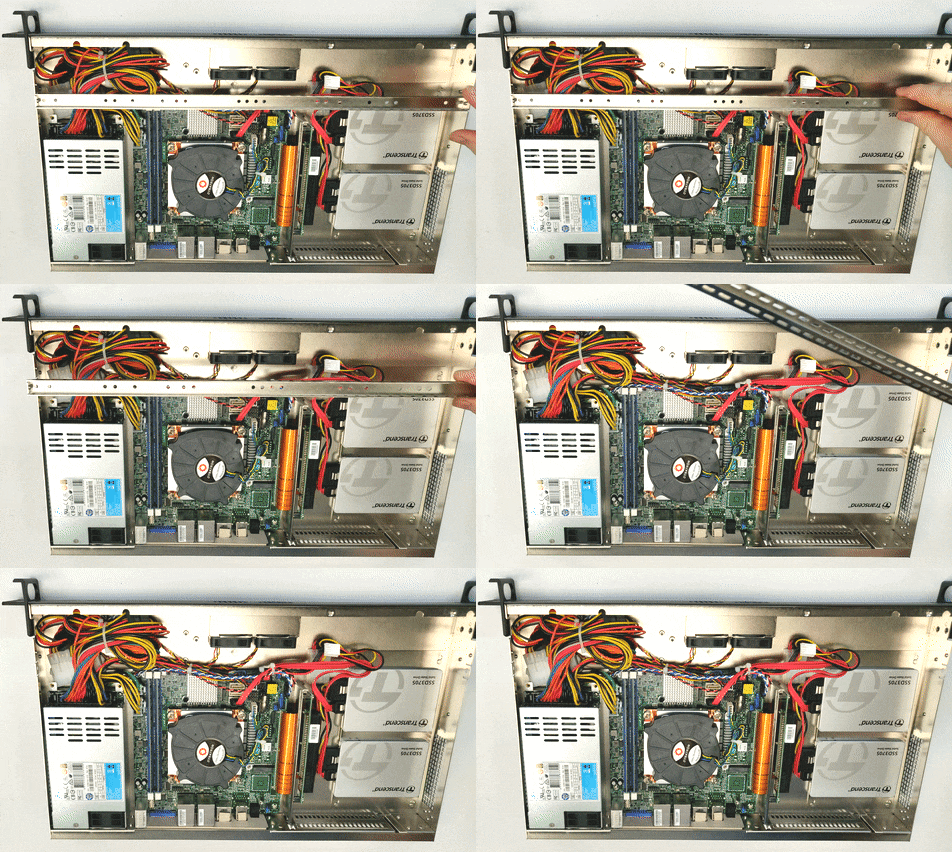
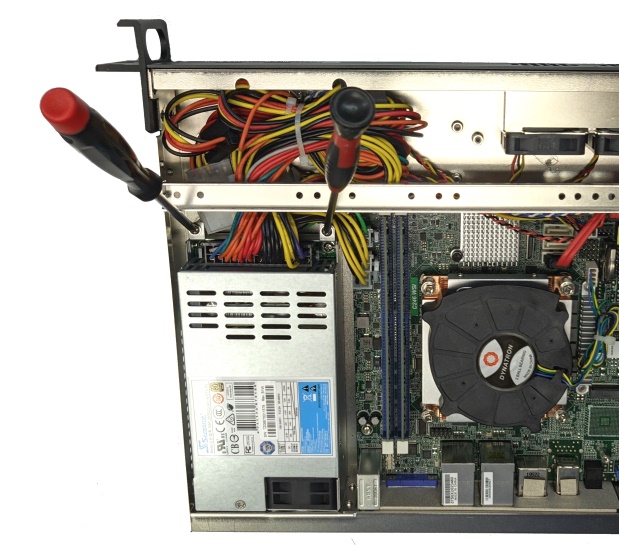
* Remove 2 screws from the crossmember. Cut all zip ties along the crossmember.

<figure><img src="https://3062424488-files.gitbook.io/~/files/v0/b/gitbook-x-prod.appspot.com/o/spaces%2FlLHqs7kbNoKOFTwGOfH6%2Fuploads%2Fgit-blob-c9cfb6440596d3c317c7a85aed802da88f3b4d14%2F8711d93c81f375b8dc49acf062ec0f64a5fa2d30d1a90daed2f4cd072cc77014.png?alt=media" alt=""><figcaption></figcaption></figure>

* Lift the crossmember out

<figure><img src="https://3062424488-files.gitbook.io/~/files/v0/b/gitbook-x-prod.appspot.com/o/spaces%2FlLHqs7kbNoKOFTwGOfH6%2Fuploads%2Fgit-blob-f1949c207a866b3ccfc92a03bd0034670aea32c4%2Ffe1e420ba0762d9085976f9bdcf1e35da61967064b5796bb5df0252e5c57e028.png?alt=media" alt="" height="545" width="619"><figcaption></figcaption></figure>

* Remove 2 screws from the back of the power supply

<figure><img src="https://3062424488-files.gitbook.io/~/files/v0/b/gitbook-x-prod.appspot.com/o/spaces%2FlLHqs7kbNoKOFTwGOfH6%2Fuploads%2Fgit-blob-39965b40cdb62419e486c240e6a28161618eb57e%2Fe66f7dbfada22f588f95a40fd0403b69fe42324fbc5e00f903f6266aedabb922.png?alt=media" alt=""><figcaption></figcaption></figure>

* Unplug the Molex connector for the drives

<figure><img src="https://3062424488-files.gitbook.io/~/files/v0/b/gitbook-x-prod.appspot.com/o/spaces%2FlLHqs7kbNoKOFTwGOfH6%2Fuploads%2Fgit-blob-53dccfcfc9c5f65aee116685c07bef4befd760d4%2Fd2021a5822d4331a70a7da245f44601a3bb391eef824512172b183eaddf44c42.png?alt=media" alt=""><figcaption></figcaption></figure>

* Squeeze the locking tabs and pull the power cables out.
* Lift the power supply out of the case.
* Watch out for any zip ties that may still be holding it. Cut them if needed.

<figure><img src="https://3062424488-files.gitbook.io/~/files/v0/b/gitbook-x-prod.appspot.com/o/spaces%2FlLHqs7kbNoKOFTwGOfH6%2Fuploads%2Fgit-blob-e25808a42ff1e0d544d202065ee1629005ee520a%2F3ef6029bb0a5a8c5865cd5f93bcb059c4419c54b7d2fddc55f7f4979be9903a3.png?alt=media" alt=""><figcaption></figcaption></figure>

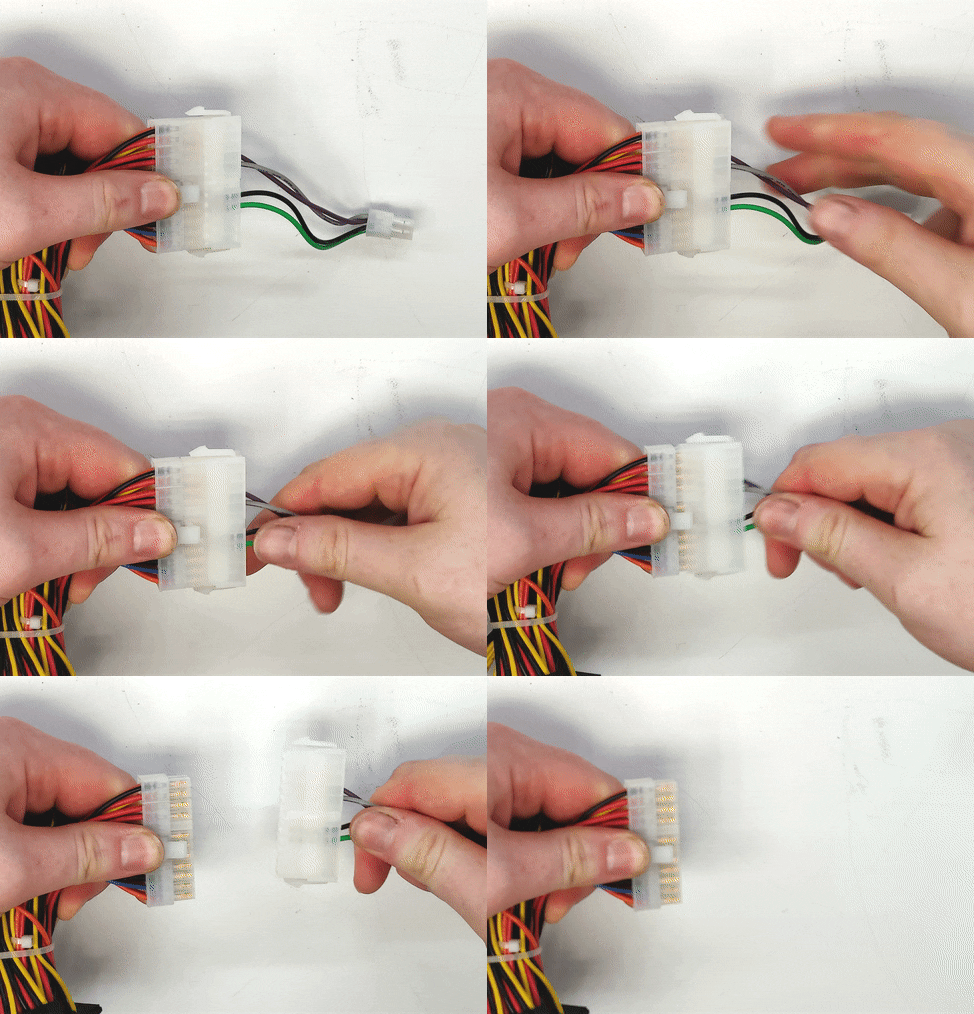
* Remove and save the 24pin to 4pin adapter

<figure><img src="https://3062424488-files.gitbook.io/~/files/v0/b/gitbook-x-prod.appspot.com/o/spaces%2FlLHqs7kbNoKOFTwGOfH6%2Fuploads%2Fgit-blob-f218e2f841dbb1e53395a62c77782457b20c210c%2F070044f81ece83f6dfc7ebd1320ab653e9d43d05b5091218309a1b559bd0fe47.png?alt=media" alt=""><figcaption></figcaption></figure>

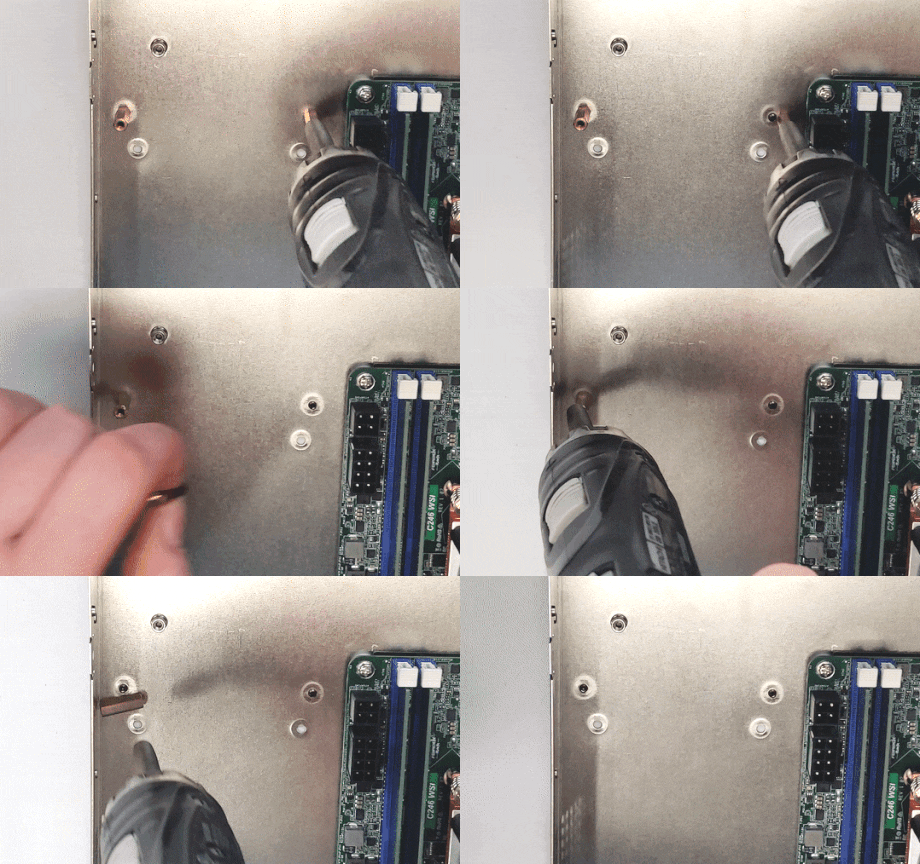
* Leave the system sitting on a flat surface for this next step.
* Remove the 5mm standoffs from where the power supply was screwed in.

<figure><img src="https://3062424488-files.gitbook.io/~/files/v0/b/gitbook-x-prod.appspot.com/o/spaces%2FlLHqs7kbNoKOFTwGOfH6%2Fuploads%2Fgit-blob-2128f653c311b67d04566bff7568aa609570dded%2F6173807afc1b64e87cefa74f05584e3940c373a5dbbdcc69e88bc6ac819f9159.png?alt=media" alt=""><figcaption></figcaption></figure>

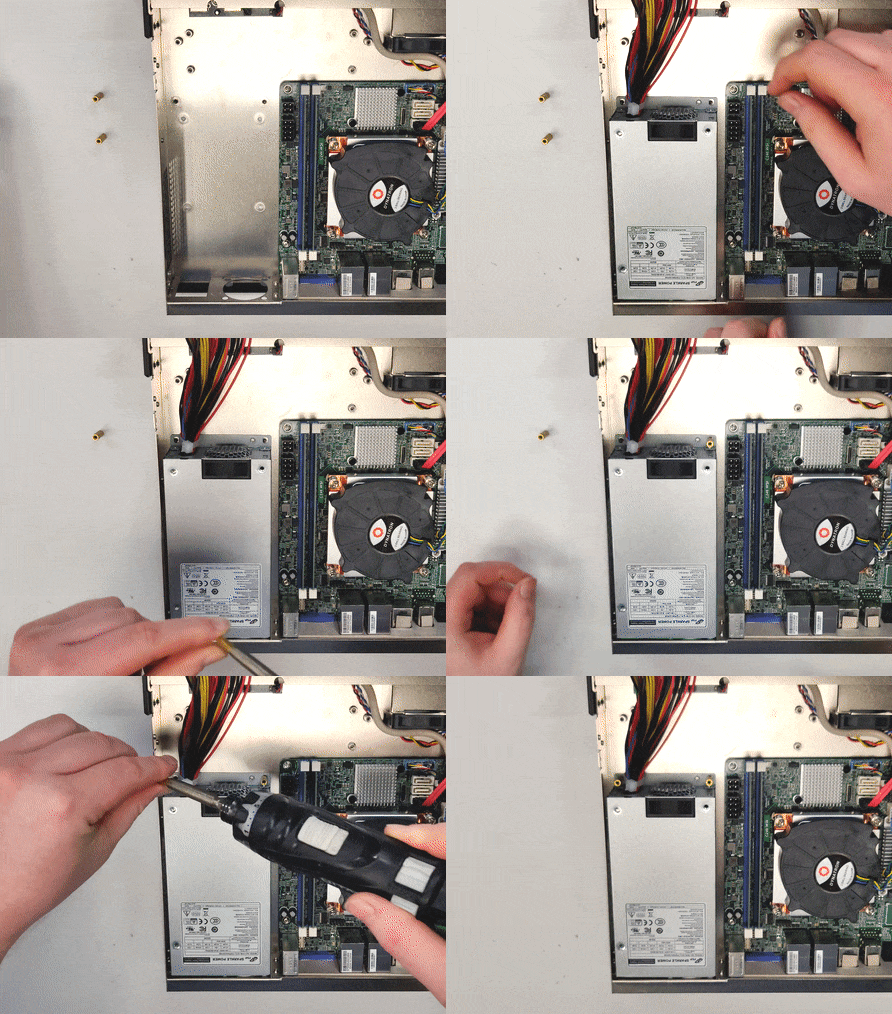
* Keeping the system sitting flat on a surface, drop in the new power supply.
* Re-install the standoffs in the back. They will hold the power supply in place.

<figure><img src="https://3062424488-files.gitbook.io/~/files/v0/b/gitbook-x-prod.appspot.com/o/spaces%2FlLHqs7kbNoKOFTwGOfH6%2Fuploads%2Fgit-blob-e455132c047af8604b55b1d03209ef2376286758%2Fa0d81ed35d75859efdcfcb1ad90198fbfb1c5d22ed90e28d880d02e72a3bd47d.png?alt=media" alt=""><figcaption></figcaption></figure>

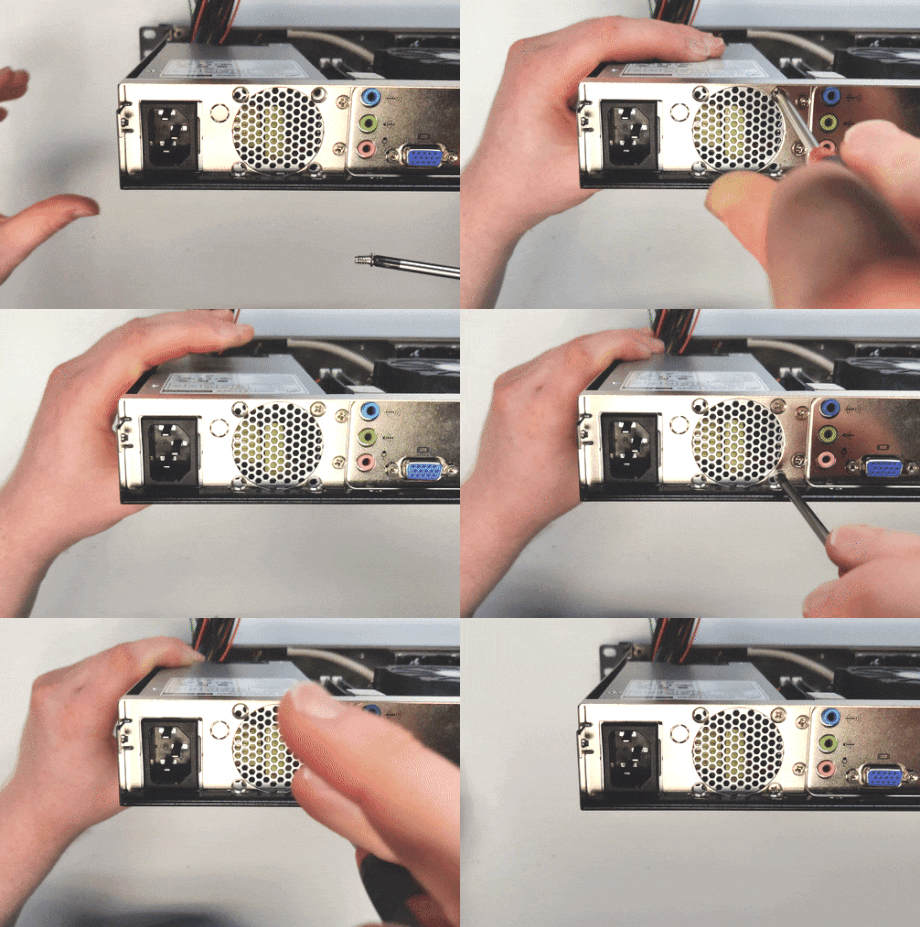
* Install the 2 coarse thread screws into the back of the power supply.
* Use the smaller 2 of the 4 you removed earlier.
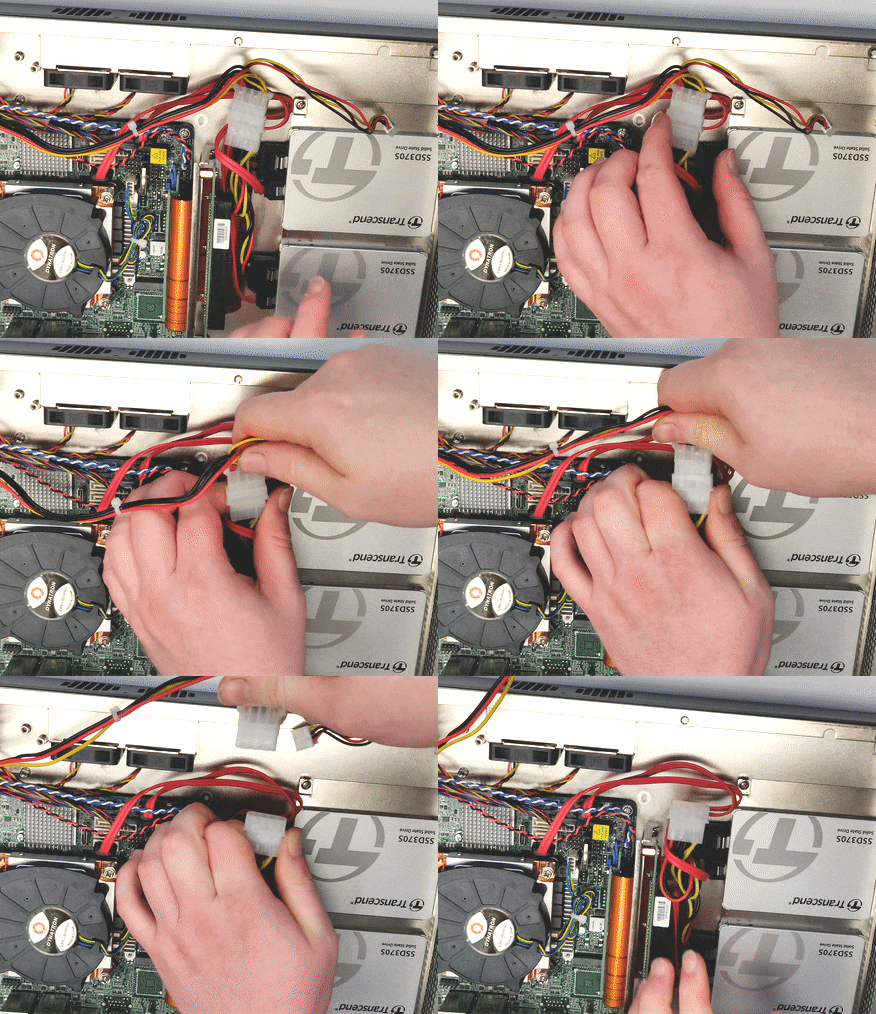
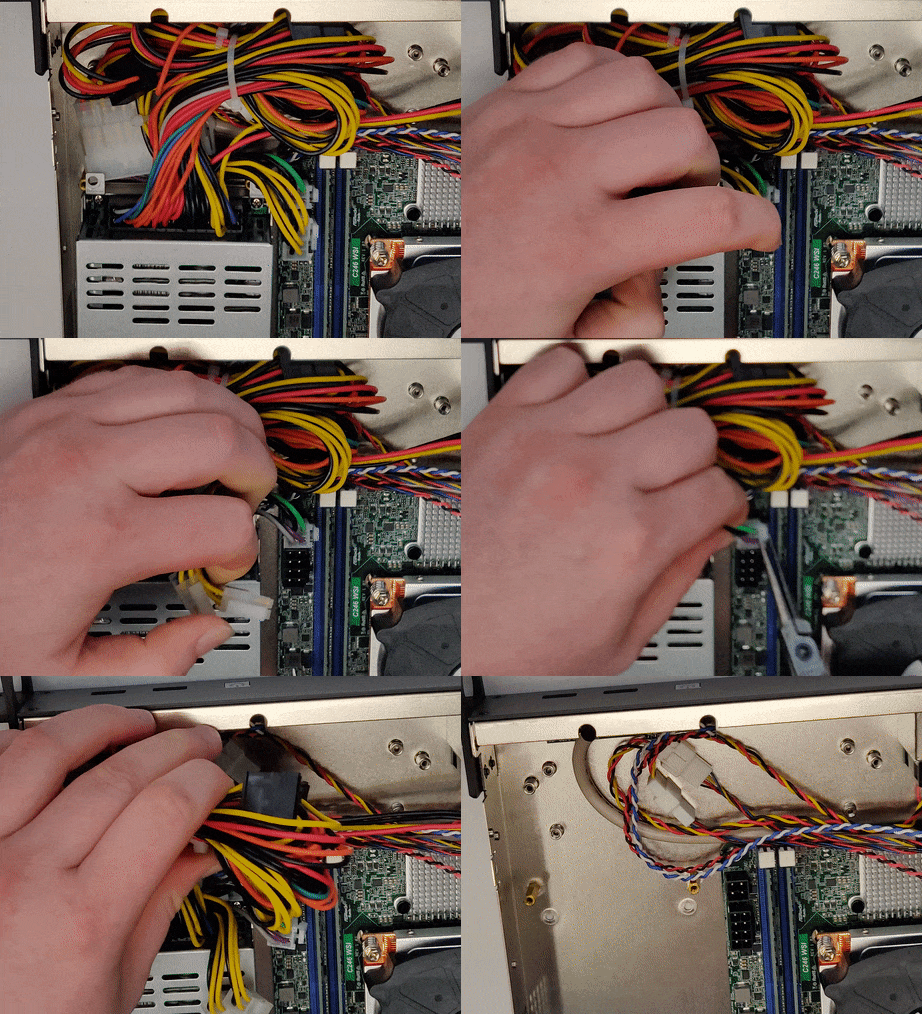
* Watch the 2 clips below for final cabling and assembly.

## <mark style="color:blue;">Security Advisory</mark>

For the latest security advisories concerning OnLogic products, including vulnerability disclosures and necessary updates, please refer to our official Security Advisories page. It is recommended to regularly check this resource for critical security information.\
[**Access Security Advisories**](https://support.onlogic.com/support-articles/security-advisories)