# Clonezilla Image Restoration

## <mark style="color:blue;">Prerequisites</mark> <a href="#prerequisites" id="prerequisites"></a>

* A 4GB or larger flash drive (USB 3.0 model recommended for speed)
* A PC running Windows 10

## <mark style="color:blue;">Downloads</mark> <a href="#downloads" id="downloads"></a>

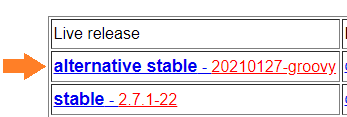
* Download the Clonezilla alternative stable version from <https://clonezilla.org/downloads.php>
* [Direct Link to ISO](https://osdn.net/projects/clonezilla/downloads/74520/clonezilla-live-20210127-groovy-amd64.iso/)

<figure><img src="https://3062424488-files.gitbook.io/~/files/v0/b/gitbook-x-prod.appspot.com/o/spaces%2FlLHqs7kbNoKOFTwGOfH6%2Fuploads%2Fgit-blob-2447731daec06dc3c57c9851c92add387622c319%2Fd9829bd74d0fc437dbd5d434cb4a199e8ec0f804109cde92cb36d733aa2d97c6.png?alt=media" alt="" height="117" width="347"><figcaption></figcaption></figure>

## <mark style="color:blue;">Flash Drive Creation</mark> <a href="#creating-the-flash-drive" id="creating-the-flash-drive"></a>

<figure><img src="https://3062424488-files.gitbook.io/~/files/v0/b/gitbook-x-prod.appspot.com/o/spaces%2FlLHqs7kbNoKOFTwGOfH6%2Fuploads%2Fgit-blob-4dc65df8f3a201518770c07576bef88d5c6113d0%2Fe4499666c82ccdb210f4154c8da07a5a2005ff8e88a3d559264798705550bea0.png?alt=media" alt="" height="44" width="260"><figcaption></figcaption></figure>

* Download the ISO file and Rufus tool, linked above
* Insert your flash drive and run Rufus

<figure><img src="https://3062424488-files.gitbook.io/~/files/v0/b/gitbook-x-prod.appspot.com/o/spaces%2FlLHqs7kbNoKOFTwGOfH6%2Fuploads%2Fgit-blob-61ba5531f842c488c48ca05668ad8812e691e7fb%2F6de7604749da2705985062f3c71540bb09ef0eb5f135db0c3caa799629d451f7.png?alt=media" alt="" height="167" width="477"><figcaption></figcaption></figure>

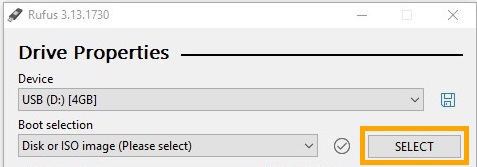
* Click Select and choose the ISO file you just downloaded.

<figure><img src="https://3062424488-files.gitbook.io/~/files/v0/b/gitbook-x-prod.appspot.com/o/spaces%2FlLHqs7kbNoKOFTwGOfH6%2Fuploads%2Fgit-blob-af222f744a604a9c21d7e860c2839dcc373f4138%2Fcf9c40c776b8fc6357d2ce33e7c4d7733fcdc93e37384cb698e608443537430d.png?alt=media" alt="" height="156" width="473"><figcaption></figcaption></figure>

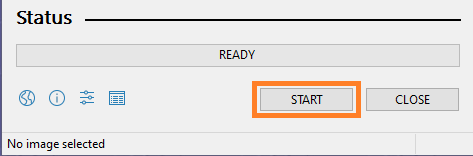
* Click START

<figure><img src="https://3062424488-files.gitbook.io/~/files/v0/b/gitbook-x-prod.appspot.com/o/spaces%2FlLHqs7kbNoKOFTwGOfH6%2Fuploads%2Fgit-blob-73a4d170c5c51dbbda6bc05a2180acf3762511fe%2Fe2e34d32d60271c595a4da5b44ea4911af7bb384ebace99cc30d2165f234f6d3.png?alt=media" alt="" height="176" width="400"><figcaption></figcaption></figure>

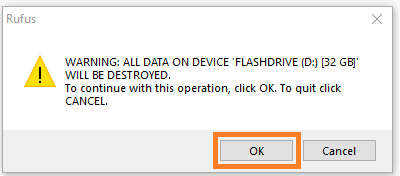
* Click OK. This will erase your flash drive and turn it into an Ubuntu installer.
* Wait for Rufus to complete.

<figure><img src="https://3062424488-files.gitbook.io/~/files/v0/b/gitbook-x-prod.appspot.com/o/spaces%2FlLHqs7kbNoKOFTwGOfH6%2Fuploads%2Fgit-blob-ff73a18df034f75c8a1b2ae9c736aec0c87df462%2Ff75e02b1790e1f3c4977b49072ba0e02f4d1242b4289c66de451b8a526ff3e86.png?alt=media" alt="" height="331" width="536"><figcaption></figcaption></figure>

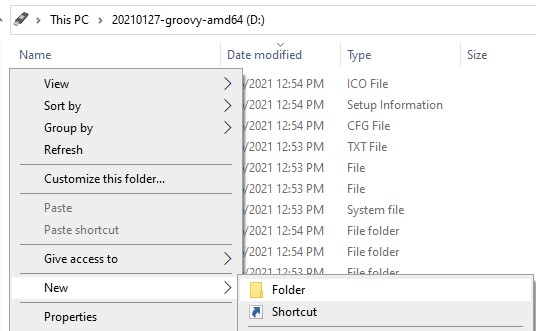
* Create a new folder on the flash drive to contain your images. It must not contain any spaces. In this example, we name it TERA-MK100-40-R1
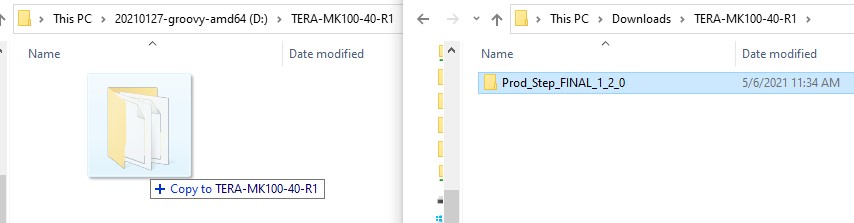
* Copy the folder containing your image into the images folder

<figure><img src="https://3062424488-files.gitbook.io/~/files/v0/b/gitbook-x-prod.appspot.com/o/spaces%2FlLHqs7kbNoKOFTwGOfH6%2Fuploads%2Fgit-blob-9c85751f894e31dd55104bd001e5ef8f60cd183a%2F99942d320f73d7ca3efbea52e75a7100d8bc0af8fc28e4a9427fabce8bf199d7.png?alt=media" alt="" height="223" width="854"><figcaption></figcaption></figure>

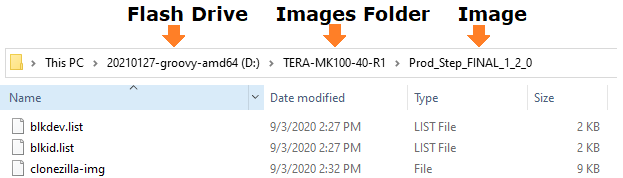
* Final Result:

<figure><img src="https://3062424488-files.gitbook.io/~/files/v0/b/gitbook-x-prod.appspot.com/o/spaces%2FlLHqs7kbNoKOFTwGOfH6%2Fuploads%2Fgit-blob-d0235e2ee8b61545b2e3c12af1f7fa4ab642392d%2F121e234fcf0922bdb7901dae646b6cbea4251129f1e6c21acd651bddd8fcb420.png?alt=media" alt="" height="178" width="623"><figcaption></figcaption></figure>

<figure><img src="https://3062424488-files.gitbook.io/~/files/v0/b/gitbook-x-prod.appspot.com/o/spaces%2FlLHqs7kbNoKOFTwGOfH6%2Fuploads%2Fgit-blob-8f3596d1c50fcd5a14ac65c111d7189b341f6f2d%2Fbadaa1d1ed5a970ee76bf39fd10af0d5144b2a1956d38eea55261f996b07b1e7.png?alt=media" alt="" height="122" width="256"><figcaption></figcaption></figure>

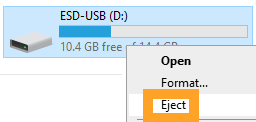
* Safely eject the flash drive and unplug it from the PC.

## <mark style="color:blue;">Using Clonezilla</mark> <a href="#using-clonezilla" id="using-clonezilla"></a>

<figure><img src="https://3062424488-files.gitbook.io/~/files/v0/b/gitbook-x-prod.appspot.com/o/spaces%2FlLHqs7kbNoKOFTwGOfH6%2Fuploads%2Fgit-blob-e443f597440fc8b5b15613a71d95994880ac84cb%2Fbd2579199f8e89de82e67cde77c2568241e2557ea45ec1af9c1c22248476c110.png?alt=media" alt="" width="563"><figcaption></figcaption></figure>

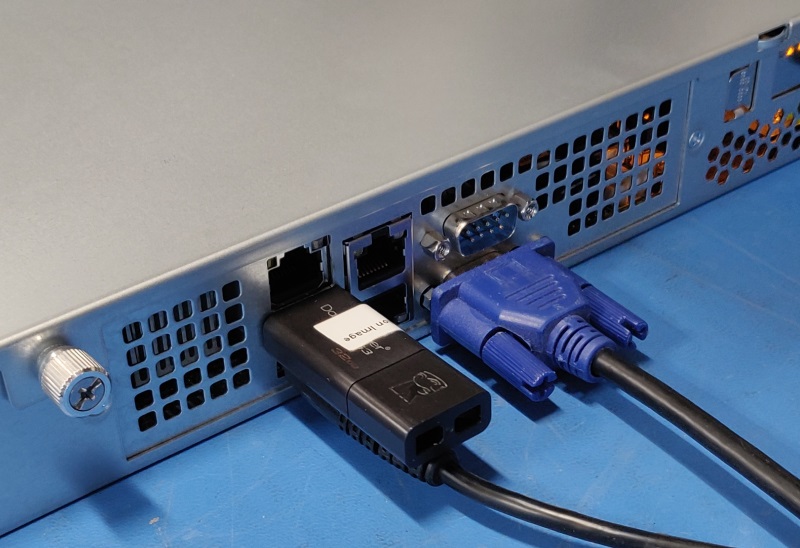
* Connect your newly created flash drive to the OnLogic PC and power it on.
* If no operating system is installed, the system will likely boot right into Clonezilla.

<figure><img src="https://3062424488-files.gitbook.io/~/files/v0/b/gitbook-x-prod.appspot.com/o/spaces%2FlLHqs7kbNoKOFTwGOfH6%2Fuploads%2Fgit-blob-c6a46700163b196b3e49010b143aed4010b36161%2F52326fc9d7dcb39b7f3f310648442ce7669be34e3c44ae43f4cf7d574e7e44f9.png?alt=media" alt="" width="563"><figcaption></figcaption></figure>

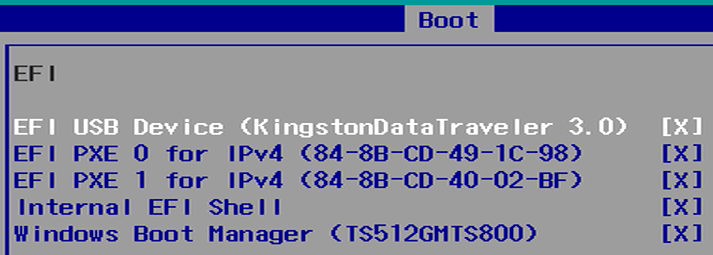
* If it does not, Press F2 or Delete to access the BIOS. Under the Boot tab, make it the first boot device.
* Exact boot instructions vary by model. If you need assistance, contact <support@onlogic.com>.

<figure><img src="https://3062424488-files.gitbook.io/~/files/v0/b/gitbook-x-prod.appspot.com/o/spaces%2FlLHqs7kbNoKOFTwGOfH6%2Fuploads%2Fgit-blob-add2d5189b6d063cf79f91c76bd9a27779f9b3e9%2F6859e5a3188795487d441c82617eef08ac80ed1379c0f375bd64d0801f6692f5.png?alt=media" alt="" width="563"><figcaption></figcaption></figure>

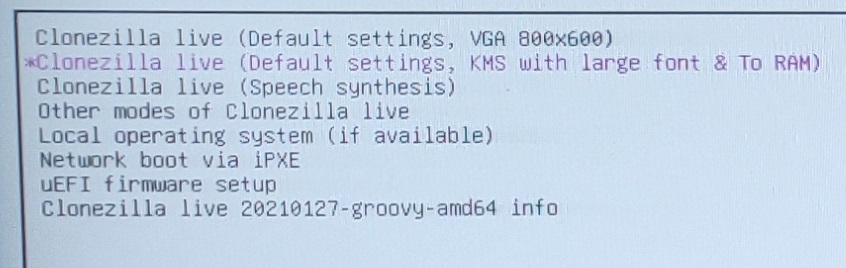
* Select the 2nd option at the Clonezilla boot menu (ending with “& To RAM”)

<figure><img src="https://3062424488-files.gitbook.io/~/files/v0/b/gitbook-x-prod.appspot.com/o/spaces%2FlLHqs7kbNoKOFTwGOfH6%2Fuploads%2Fgit-blob-242262566baa7634556c4ea3f474a02775d807d3%2Fd175e561c6ab99e9fd8bf2b565cf820a4e426dea3d81eeb0951bea3b55fe83e8.png?alt=media" alt="" width="563"><figcaption></figcaption></figure>

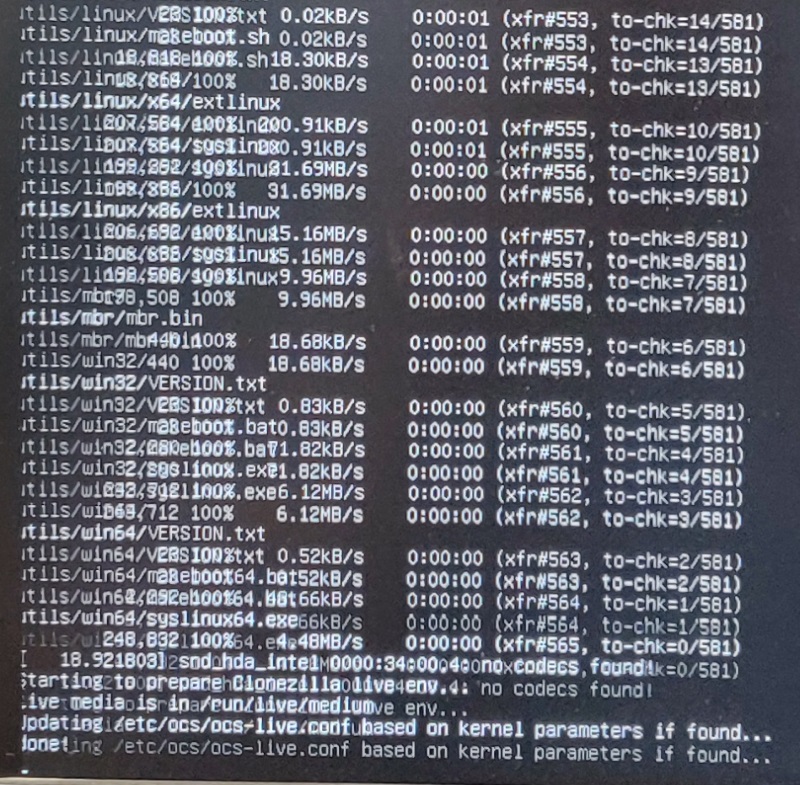
* Some unimportant text will fly by as Clonezilla boots up

<figure><img src="https://3062424488-files.gitbook.io/~/files/v0/b/gitbook-x-prod.appspot.com/o/spaces%2FlLHqs7kbNoKOFTwGOfH6%2Fuploads%2Fgit-blob-6da55f70ae23dfe3aa443560cd2d4e17f2bfb226%2F86acb1f5bc3b08218090d725166e407b40d36d0bca8a42f33ccb9c1db401141b.png?alt=media" alt="" width="563"><figcaption></figcaption></figure>

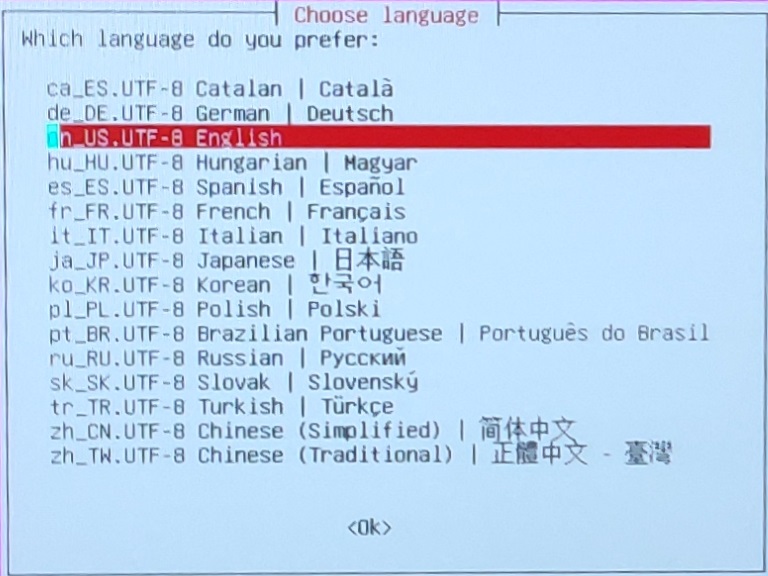
* Press enter to select Language.
* English is recommended to match this guide

<figure><img src="https://3062424488-files.gitbook.io/~/files/v0/b/gitbook-x-prod.appspot.com/o/spaces%2FlLHqs7kbNoKOFTwGOfH6%2Fuploads%2Fgit-blob-5ec88e17b4e3a1675a36da497f9ee05d2a2aa1dc%2F6a0329185e65216b9cd9e8cb87383c340d006a655e149544466aa9e40145cb07.png?alt=media" alt="" width="563"><figcaption></figcaption></figure>

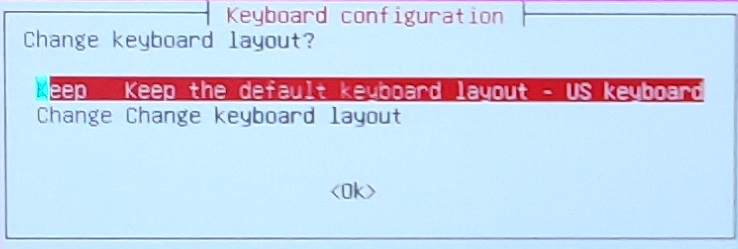
* Press enter to select keyboard layout.

<figure><img src="https://3062424488-files.gitbook.io/~/files/v0/b/gitbook-x-prod.appspot.com/o/spaces%2FlLHqs7kbNoKOFTwGOfH6%2Fuploads%2Fgit-blob-a1431a26f34dd1eed39c79dfc15179f3a6b816a3%2F6c33918fc11051c01e7dfd7d4e4e41cdc2f831e8f6552ee3845ec833a20962f3.png?alt=media" alt="" width="563"><figcaption></figcaption></figure>

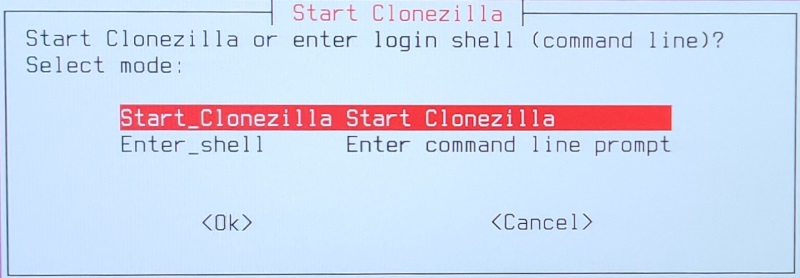
* Press enter to start Clonezilla

<figure><img src="https://3062424488-files.gitbook.io/~/files/v0/b/gitbook-x-prod.appspot.com/o/spaces%2FlLHqs7kbNoKOFTwGOfH6%2Fuploads%2Fgit-blob-ea67871f014fa20d5a0ed552e79d0787e883527e%2Fc90832542aa7c185d569e78989dc4aacc379af9dc4a4e09ab496b413e58f9c0a.png?alt=media" alt="" width="563"><figcaption></figcaption></figure>

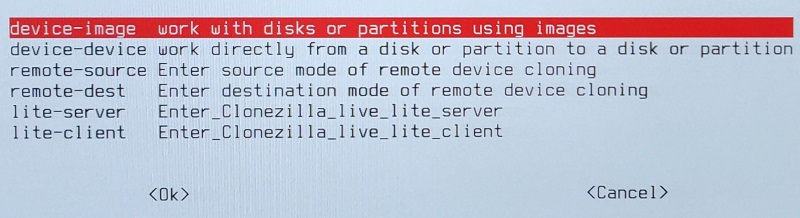
* Choose the device-image option (default)

<figure><img src="https://3062424488-files.gitbook.io/~/files/v0/b/gitbook-x-prod.appspot.com/o/spaces%2FlLHqs7kbNoKOFTwGOfH6%2Fuploads%2Fgit-blob-03648a5a312b2928b096d106e12e355d49505bad%2Fe07a33f8b7e82b42b96e479cdd608e06fdfb22c23f41fa9ac4f10969f009e1f7.png?alt=media" alt="" width="563"><figcaption></figcaption></figure>

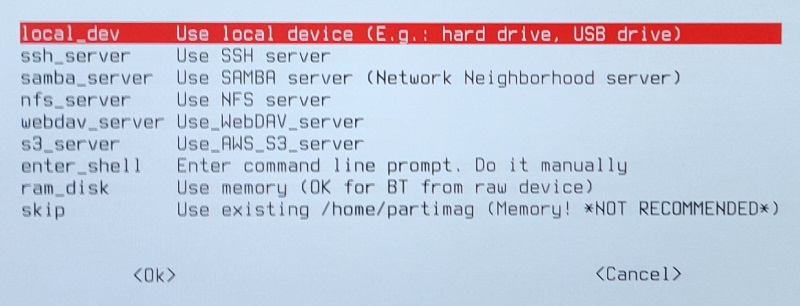
* Choose the local\_dev option (default)

<figure><img src="https://3062424488-files.gitbook.io/~/files/v0/b/gitbook-x-prod.appspot.com/o/spaces%2FlLHqs7kbNoKOFTwGOfH6%2Fuploads%2Fgit-blob-3efd1f52babd387cbd75ec0492817a479f836731%2Fa75a75b5f3a3604f9371fedd312683831012f446212daaff11a207e6864a1fc7.png?alt=media" alt="" width="563"><figcaption></figcaption></figure>

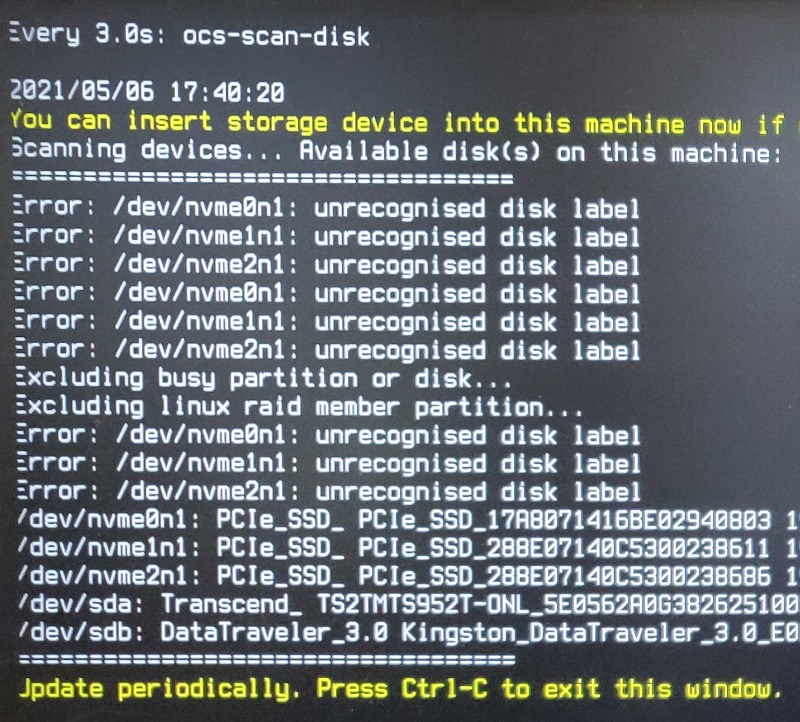
* A list of the disk drives will be printed. This can be helpful for reference but can usually be ignored. Press control-C to close it.

<figure><img src="https://3062424488-files.gitbook.io/~/files/v0/b/gitbook-x-prod.appspot.com/o/spaces%2FlLHqs7kbNoKOFTwGOfH6%2Fuploads%2Fgit-blob-78b48106b4bb30d8eb007d328941e7c1f9327e78%2F00f8b9bf383ab7b64c4349f6805c4077403621282bc3949e90d982bc0d456cf5.png?alt=media" alt="" width="563"><figcaption></figcaption></figure>

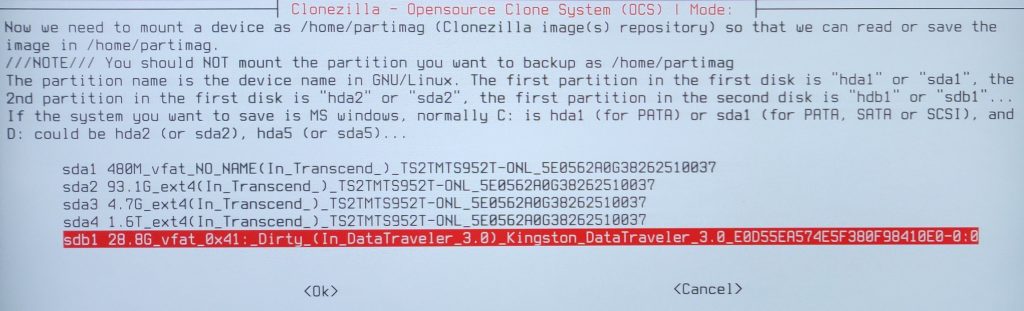
* Select your USB flash drive as the source defice

<figure><img src="https://3062424488-files.gitbook.io/~/files/v0/b/gitbook-x-prod.appspot.com/o/spaces%2FlLHqs7kbNoKOFTwGOfH6%2Fuploads%2Fgit-blob-cfb5a8c263843c57cba745bc352c061aeb952262%2Fdfcd8646616a631adb5cc291db9d82c6758c112687351bdc85bf92077c6dafce.png?alt=media" alt="" width="563"><figcaption></figcaption></figure>

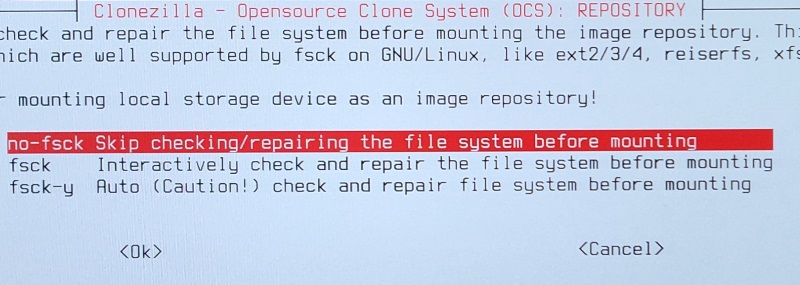
* no-fsck is fine

<figure><img src="https://3062424488-files.gitbook.io/~/files/v0/b/gitbook-x-prod.appspot.com/o/spaces%2FlLHqs7kbNoKOFTwGOfH6%2Fuploads%2Fgit-blob-fe9dfd6b3dc52745ab2b2ad1885750e707828955%2F0d7ae65fbb24e433f11a11c5886a2558e352c5d34ec02646b3a45ffbb271ac8f.png?alt=media" alt="" width="563"><figcaption></figcaption></figure>

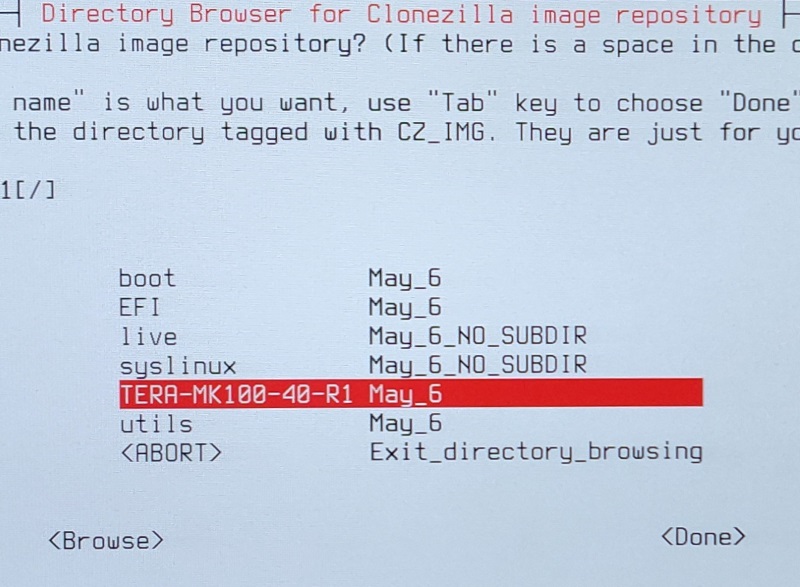
* Select your images folder and press enter

<figure><img src="https://3062424488-files.gitbook.io/~/files/v0/b/gitbook-x-prod.appspot.com/o/spaces%2FlLHqs7kbNoKOFTwGOfH6%2Fuploads%2Fgit-blob-142e84f306334849731c9911a5605bf1cee886e5%2Fce9a29331ca33604a63a9eeb7f86dd7df52e35082377ec5670f49a68580bf59d.png?alt=media" alt="" width="563"><figcaption></figcaption></figure>

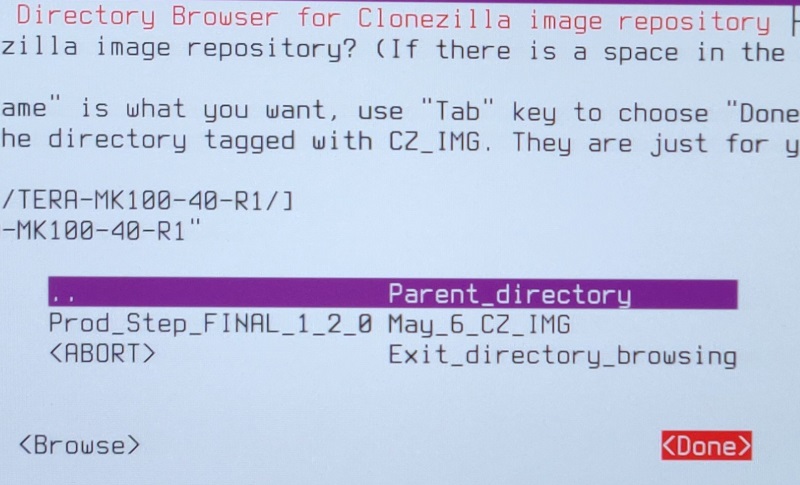
* Do not go any further into the folders.
* Press tab twice and enter to select Done

<figure><img src="https://3062424488-files.gitbook.io/~/files/v0/b/gitbook-x-prod.appspot.com/o/spaces%2FlLHqs7kbNoKOFTwGOfH6%2Fuploads%2Fgit-blob-a238ddae0f7dad685f3936310f77f001439dac3d%2F9d06ed762e0dd06f46b6082ad51ec7ba737529bb27149b2a979968c5c6bd225d.png?alt=media" alt="" width="563"><figcaption></figcaption></figure>

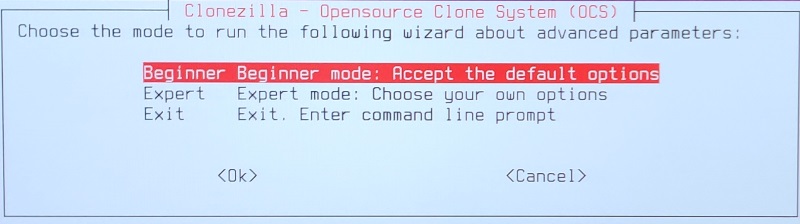
* Beginner mode is best for our purposes

<figure><img src="https://3062424488-files.gitbook.io/~/files/v0/b/gitbook-x-prod.appspot.com/o/spaces%2FlLHqs7kbNoKOFTwGOfH6%2Fuploads%2Fgit-blob-9786790b39746bc604d849c192e1a6f1aff384a0%2F6ac68fd643002c3ded2582e64ac04dd010b1b1a19d0efe187668ba6d6a68c750.png?alt=media" alt="" width="563"><figcaption></figcaption></figure>

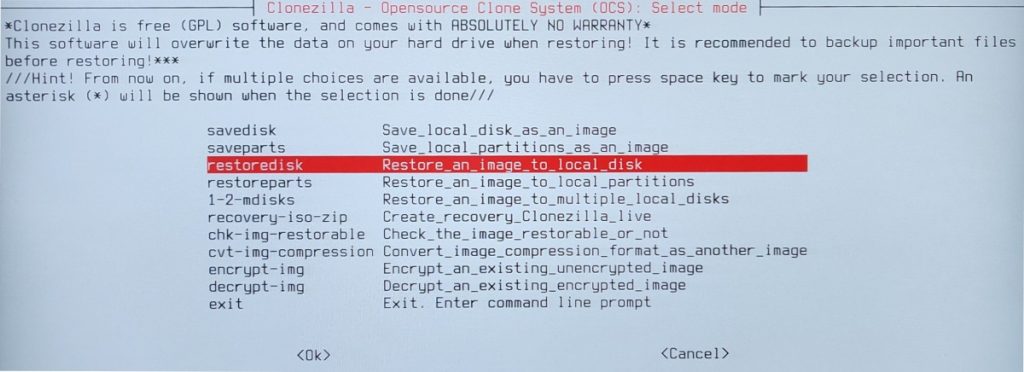
* Choose the restoredisk option

<figure><img src="https://3062424488-files.gitbook.io/~/files/v0/b/gitbook-x-prod.appspot.com/o/spaces%2FlLHqs7kbNoKOFTwGOfH6%2Fuploads%2Fgit-blob-19cf1afdfea7e24442f34af91abaa0423b46aad6%2F4f35af8c83871f4555e62d2e93ba3d67c097163427682fbc25016d908ae03cae.png?alt=media" alt="" width="563"><figcaption></figcaption></figure>

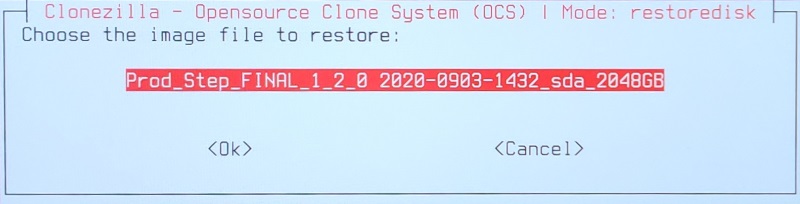
* You will be prompted to select an image from your images folder.

<figure><img src="https://3062424488-files.gitbook.io/~/files/v0/b/gitbook-x-prod.appspot.com/o/spaces%2FlLHqs7kbNoKOFTwGOfH6%2Fuploads%2Fgit-blob-e3007615d6b84e5e3ad21ba59b94e2398f0a123b%2F4fec8516163c820d7185d895fd560a76cd3b3fe5d9e028e27cf23bb8c6e52288.png?alt=media" alt="" width="563"><figcaption></figcaption></figure>

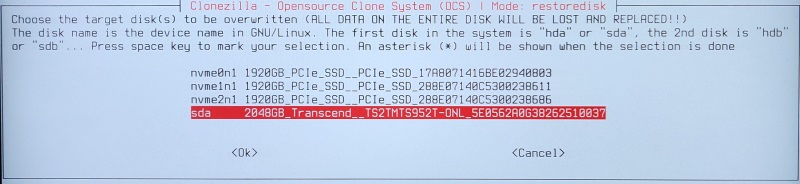
* Now you will be prompted to choose which disk the image is applied to. In this example, the Transcend drive is our boot drive so we select it.

<figure><img src="https://3062424488-files.gitbook.io/~/files/v0/b/gitbook-x-prod.appspot.com/o/spaces%2FlLHqs7kbNoKOFTwGOfH6%2Fuploads%2Fgit-blob-9fefcde3ed2118d84b4f38176ec893c4a21cf7e1%2F8eb33daaf8c1a2488eca4b3c3fd49d182c864ca37899d258b253d29d2053aa1a.png?alt=media" alt="" width="563"><figcaption></figcaption></figure>

* Yes, check the image before restoring

<figure><img src="https://3062424488-files.gitbook.io/~/files/v0/b/gitbook-x-prod.appspot.com/o/spaces%2FlLHqs7kbNoKOFTwGOfH6%2Fuploads%2Fgit-blob-c7899e8b220d10c34b366e5aee65f4b8dc6bee06%2Fbbf98f43de9347002e2207d383c0b3d405b6b201b34a801517c37df61b673f30.png?alt=media" alt="" width="563"><figcaption></figcaption></figure>

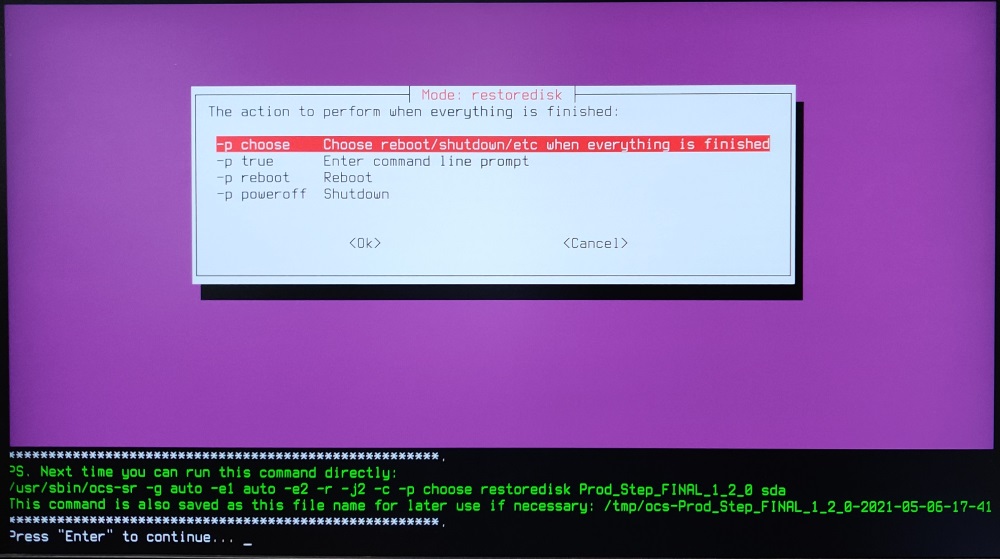
* Press enter twice to continue.

<figure><img src="https://3062424488-files.gitbook.io/~/files/v0/b/gitbook-x-prod.appspot.com/o/spaces%2FlLHqs7kbNoKOFTwGOfH6%2Fuploads%2Fgit-blob-2fd9249b8d08644ab8034265d86650bfaee7eedd%2F035210638007aae2ad3ec98815706925125185ad8f55d7302e213241250167ab.png?alt=media" alt="" width="563"><figcaption></figcaption></figure>

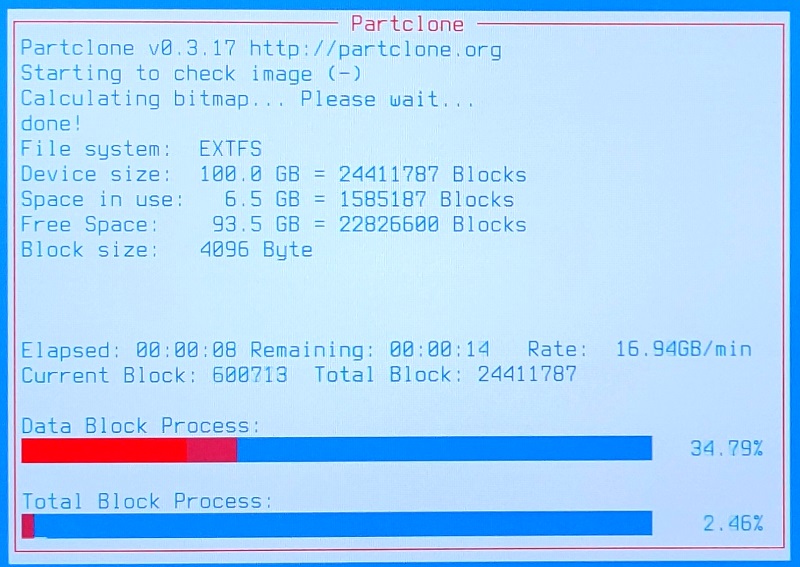
* The image restore process will now begin!

<figure><img src="https://3062424488-files.gitbook.io/~/files/v0/b/gitbook-x-prod.appspot.com/o/spaces%2FlLHqs7kbNoKOFTwGOfH6%2Fuploads%2Fgit-blob-51fb5da7d522ec7d110cb8ea143beb1aa23038b9%2F04ee691a5933c63e18e7b55ed07d4bd3e33c9b45c713b2757cdfad9a50b165c5.png?alt=media" alt="" width="563"><figcaption></figcaption></figure>

* Additional Yes/No prompts may appear as Clonezilla processes your image. Type Y and press enter on each one.

<figure><img src="https://3062424488-files.gitbook.io/~/files/v0/b/gitbook-x-prod.appspot.com/o/spaces%2FlLHqs7kbNoKOFTwGOfH6%2Fuploads%2Fgit-blob-7312332b7632f302b892502292551f2794dd631a%2F86b8e2e9c5550d2954260dd08ca2c3d3d6b02ed6caca3b1b68278d6a3340ed44.png?alt=media" alt="" width="563"><figcaption></figcaption></figure>

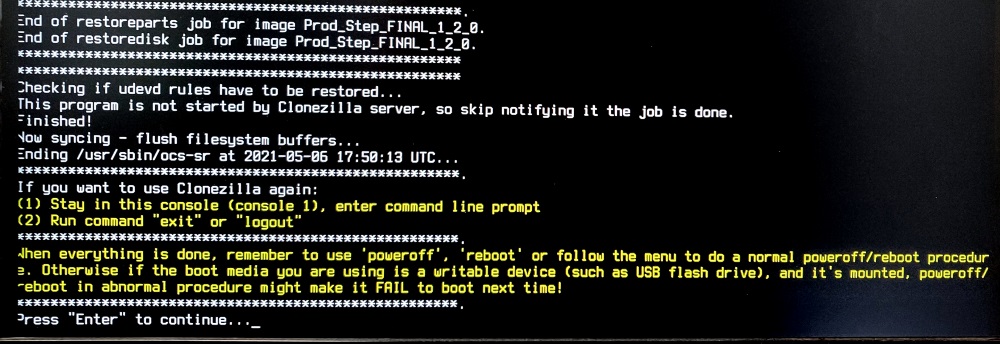
* Success! The image has been applied. Press enter to continue as the prompt on the screen says.

<figure><img src="https://3062424488-files.gitbook.io/~/files/v0/b/gitbook-x-prod.appspot.com/o/spaces%2FlLHqs7kbNoKOFTwGOfH6%2Fuploads%2Fgit-blob-8d02a8c096fa049059447ff5906ccaf3625f0d33%2Fd4e7be559386e2e1a0ad78596adcd94979d972794a4e1bd2cf869e463c06f854.png?alt=media" alt="" width="563"><figcaption></figcaption></figure>

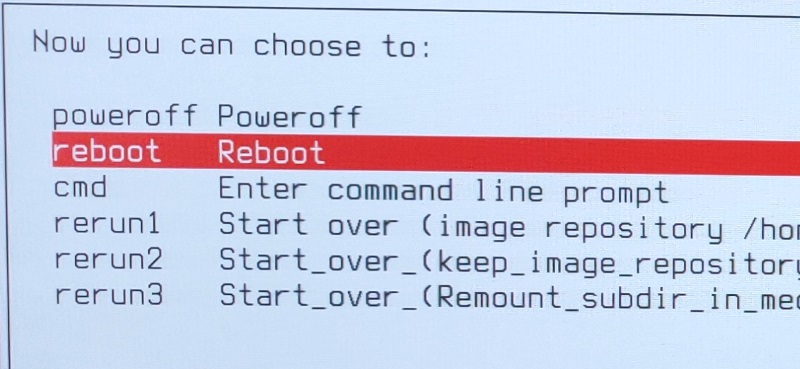
* Select the reboot option and immediately unplug your flash drive.
* The system will restart and should boot right up into your restored image.